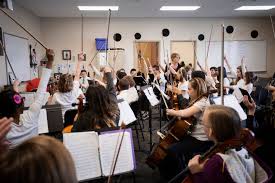

1st field – is Music therapy You could also use music to help people recover from trauma and live better lives in the real world. You might also be interested in psychology. If so, a degree in music therapy might be right for you. “Music Therapy is the clinical and evidence-based use of music interventions to accomplish individualized goals within a therapeutic relationship by a credentialed professional who has completed an approved music therapy program,” states the American Music Therapy Association. Music studies and psychology are combined in music therapy, which is part of the healthcare industry.
Even with the most difficult clients and cases, music can reach them and aid in healing breakthroughs. Deloria Lane, Ph.D., MT-BC, said, “Walking into the intensive care unit I didn’t know what to expect” in a moving and spellbinding TEDx talk about the power of music therapy. Lane sings during the presentation, and she talks about her work with hospital patients. Watching the video may very well fully convince you that this is the path for you if you are interested in this field of study! For music students, combining music and therapy might be their most challenging and rewarding career choice. You will bring about change and have a profound impact on people’s lives.
2nd field – is Music education is a popular degree option for music enthusiasts. This degree is ideal for students who want to immediately begin sharing their passion for music through teaching and becoming certified music teachers. The study of music theory is combined with pedagogy and an examination of various learning styles in music education. The connection between the brain and music is demonstrated by a recent the University of Southern California study: The structure of the white matter, which transmits signals throughout the brain, and the gray matter, which contains the majority of the brain’s neurons that are engaged in information processing, can both be altered by music training. “Music instruction also boosts engagement of brain networks that are responsible for decision making, the ability to focus attention, and the ability to inhibit impulses,” the study adds.
If you are interested in this area of study, look for degree programs that offer certifications in it and find out if they include student teaching. Additionally, you’ll want to decide which age group best suits your teaching style. Your progression from a music education student to a full-fledged professional and teacher will be aided by this.
3rd field – is Artists and repertoire (A&R) manager: As a kind of talent agent, you’ll be in charge of finding new talent, signing them to record labels, and making sure that recordings are done. You will be assisting new artists in their growth and development, and in order to do so, you will need strong business skills in addition to a solid understanding of the music scene.
Attending shows, listening to demo discs, and reading industry press about new artists are all ways that entry-level artists and repertoire people can actively scout talent. They might give that information to a higher-up at the label when they discover a band that is worth considering.
The artist’s A&R representative will be at the managerial level and may have the authority to decide whether or not to sign a new artist (in some organizations, signing approval must come from even higher up the command chain).
The artist and repertoire work to negotiate a deal between the musicians and the label as the musicians’ point of contact at the label during contract negotiations. Through the A&R representative, artists bring their concerns to the label, possibly through their agents.
When a musician signs a contract with a record label, the A&R representative typically stays involved in the talent’s relationship with the label. For instance, the A&R representative will help arrange recording sessions and set up the advance, as required. The A&R representative may be responsible for any work required to prepare the record for release.
The artist’s growth will also be significantly influenced by the A&R representative. The representative will be involved in the band’s album marketing strategy and will contribute to the development of the album’s and the band’s fundamental promotional foundation. The A&R representative may recommend songwriters, pair a band with songs, or even record producers if the involved musicians do not write their own music.
4th field – promote concerts; you’ll need a passion for live music and strong communication skills. It is your responsibility to promote live music events and ensure that ticket sales are robust. In order to book shows, promote events to the media, and set up advertising campaigns, you will communicate with recording artists, agents/artist managers, club/concert venues, and other parties.
5th field – A passion for music and exceptional writing skills are essential for a music magazine journalist. You’ll write news about the music industry, interview musicians, and write reviews of albums and concerts, either for a specialized print or online publication or for the music section of a general news outlet.
Listening to new releases, researching, writing, sending emails to publicists, and researching new releases consume the majority of the workday at the computer. And speaking of publicists, they play a crucial role in the life of a music journalist: gatekeepers who can approve or deny media credentials for a show, send an early link to a highly anticipated album, confirm a juicy story, and approve an interview. Good relationships are almost as important as good writing habits for a music journalist; Both are essential for meeting tight deadlines that arrive at any time.
Music journalists frequently travel for work and go out at night to see bands; Those who are hired to write for a prestigious publication like Rolling Stone or the New York Times frequently have access to well-known artists and major events, such as conducting interviews with celebrities, attending the Grammys, or obtaining a wristband for the Coachella VIP lounge. The vast majority, on the other hand, translate their love of music into words for smaller publications, which is no easy task! Writing about music is like dancing about architecture, according to a well-known proverb.
 Divine time